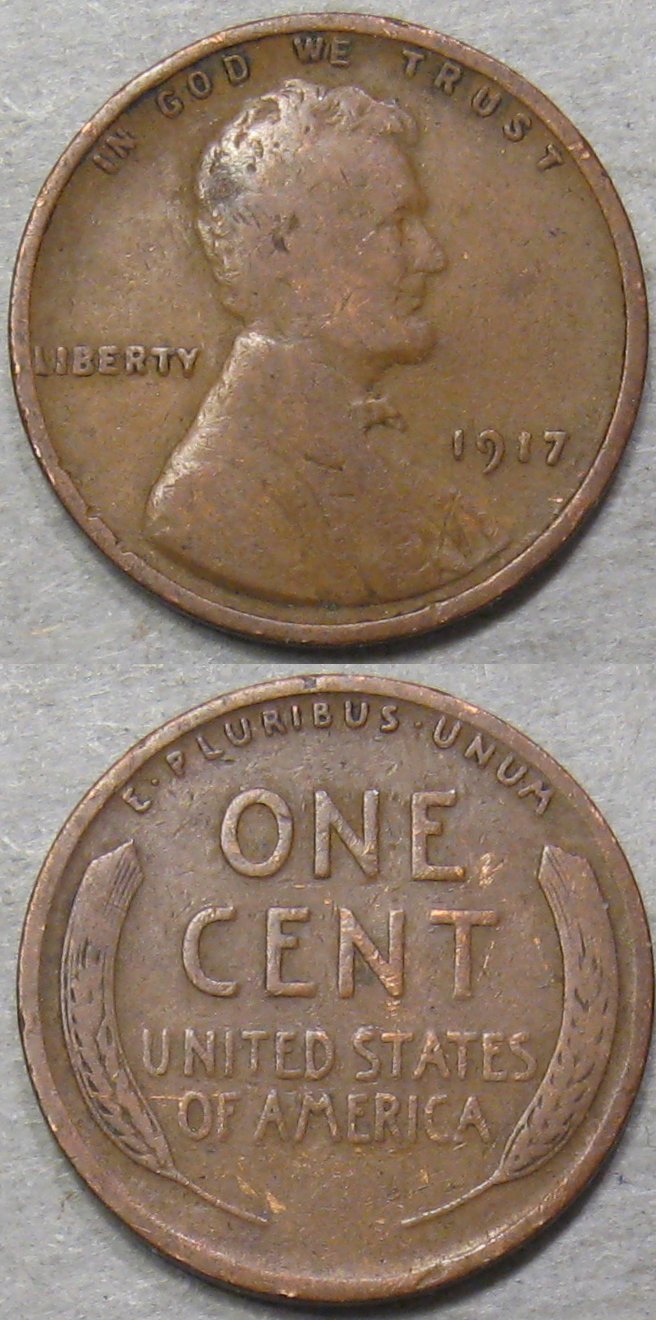
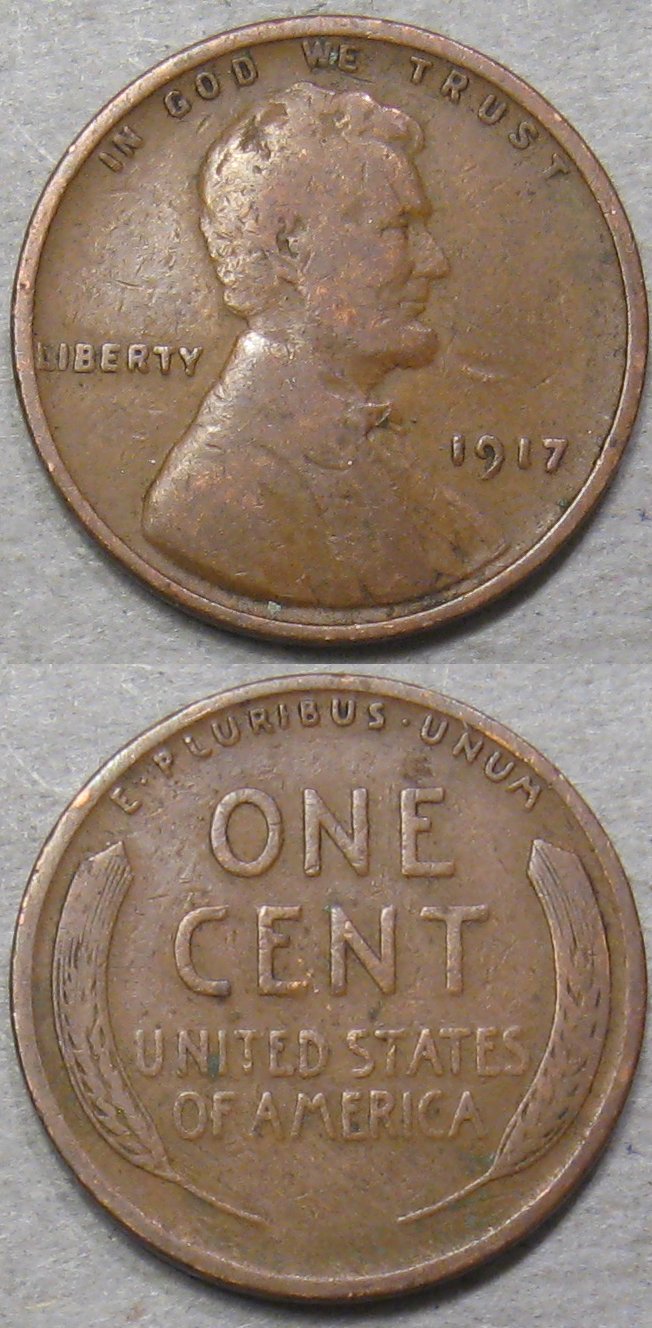
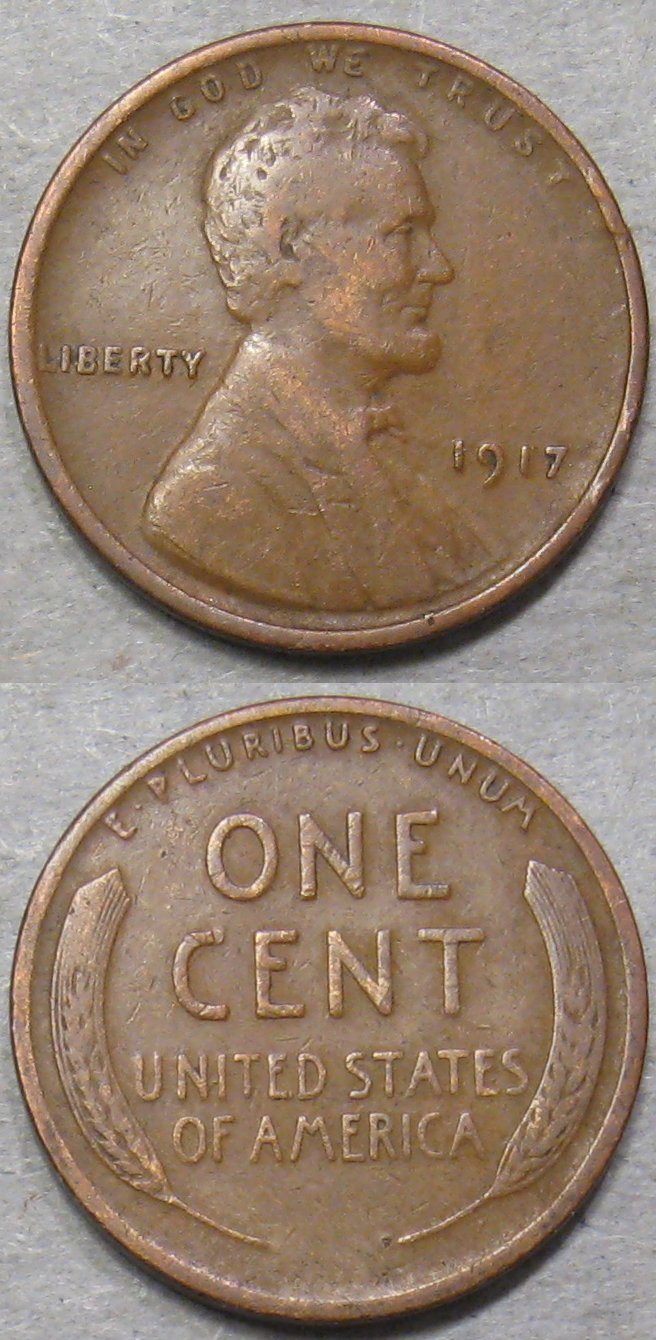
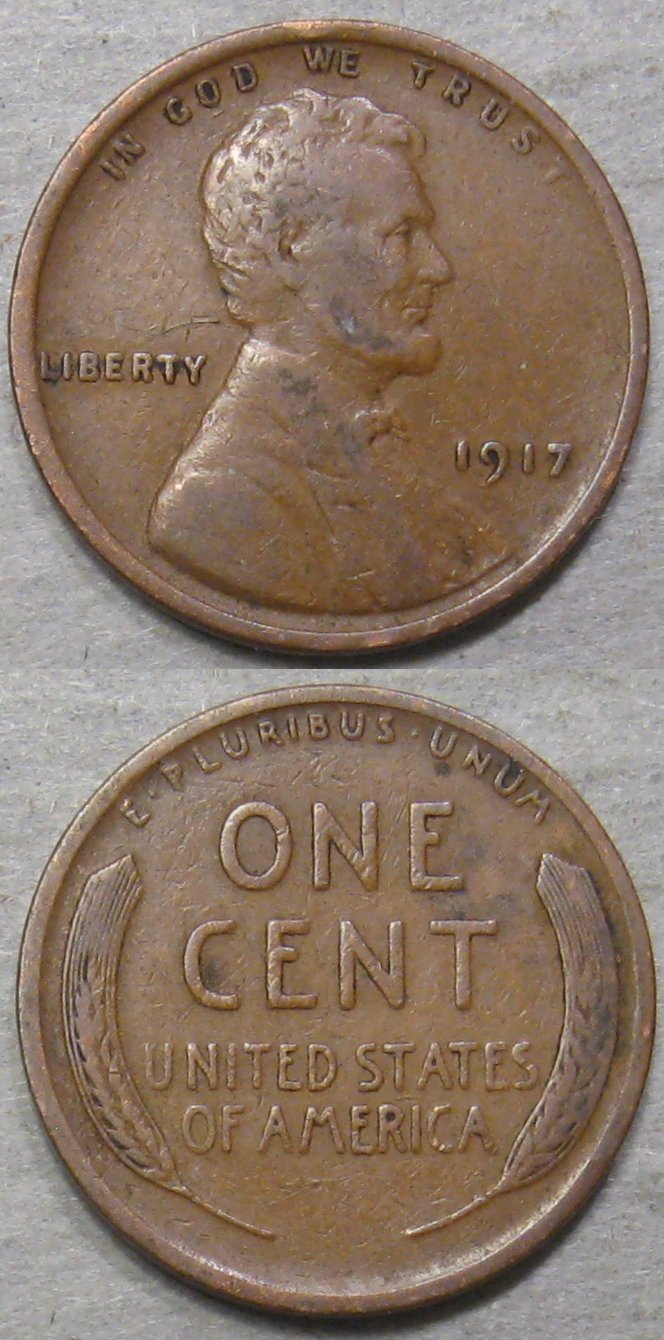
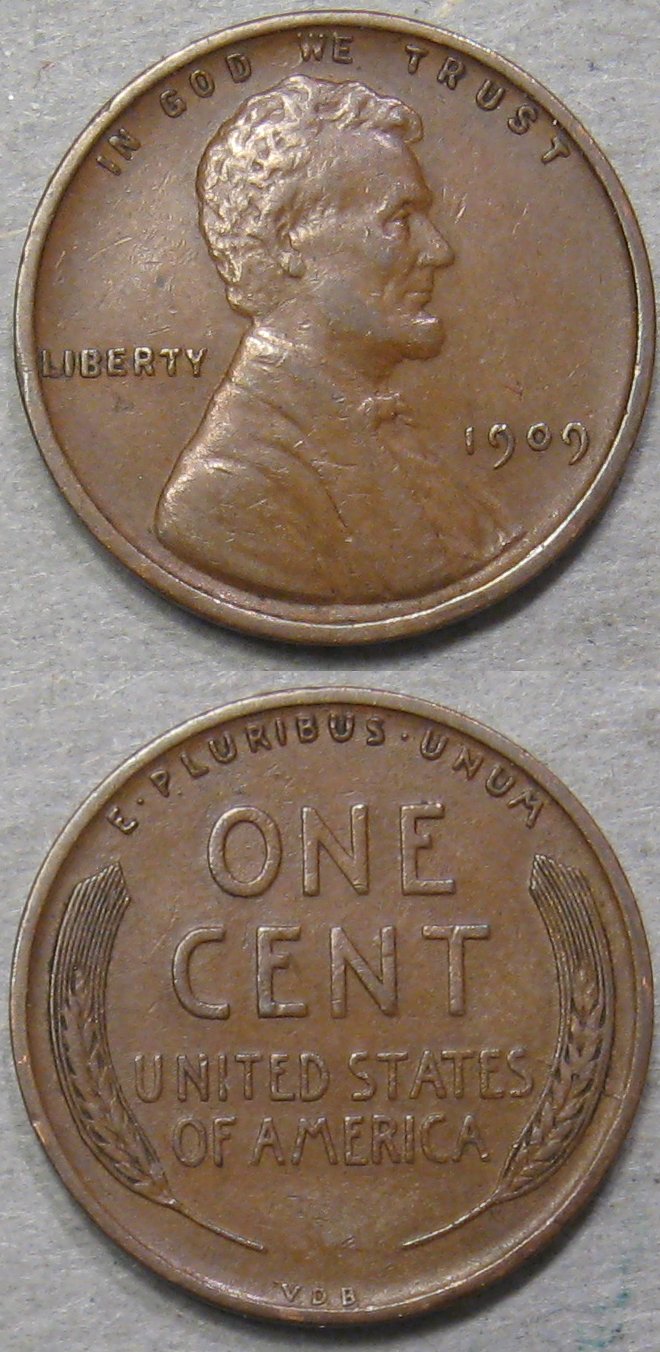
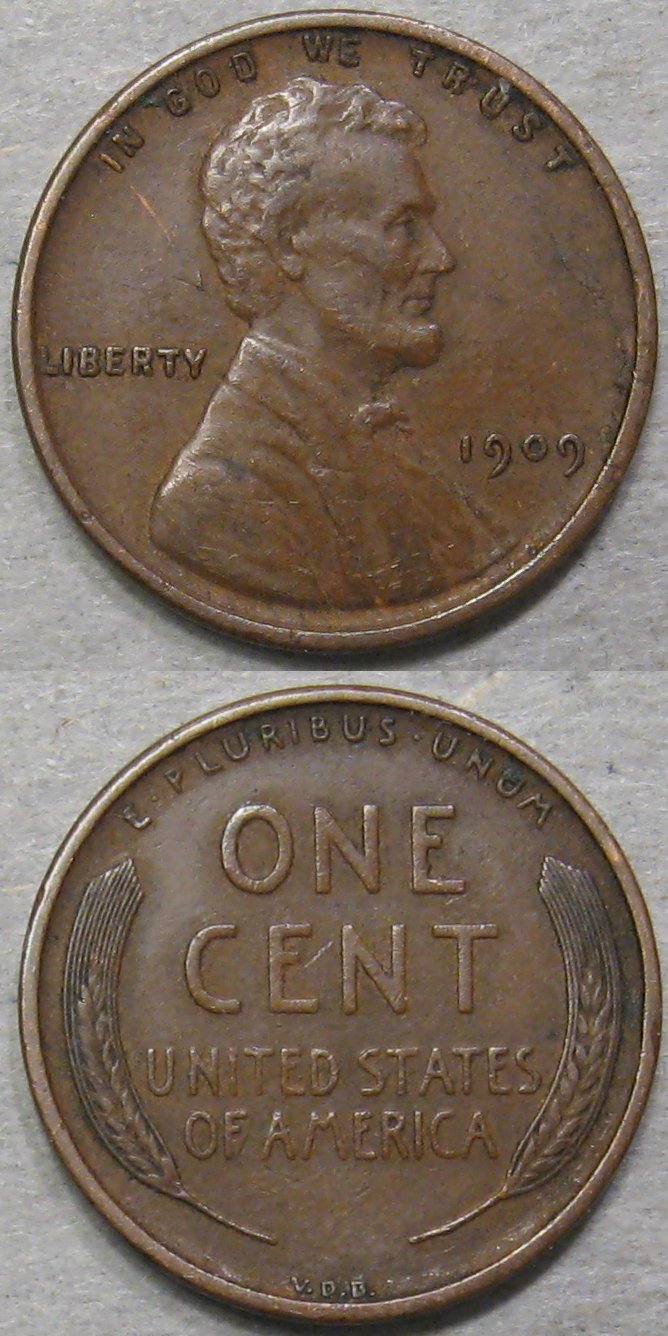
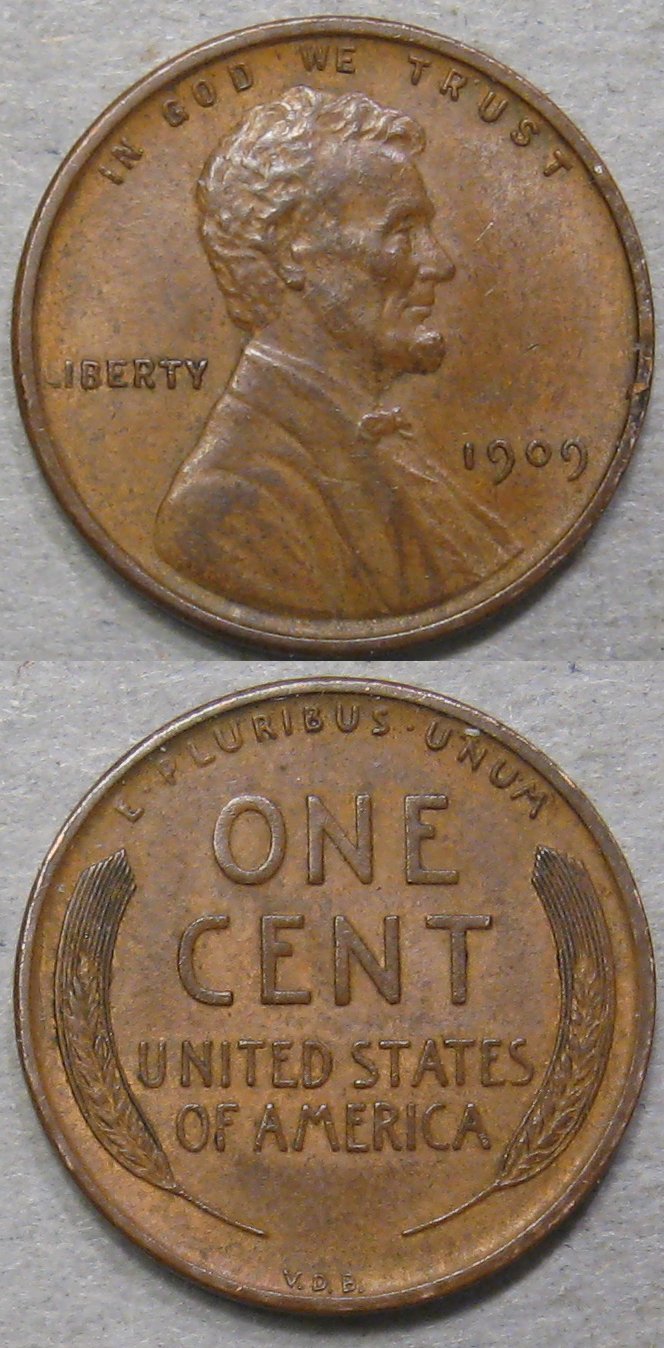
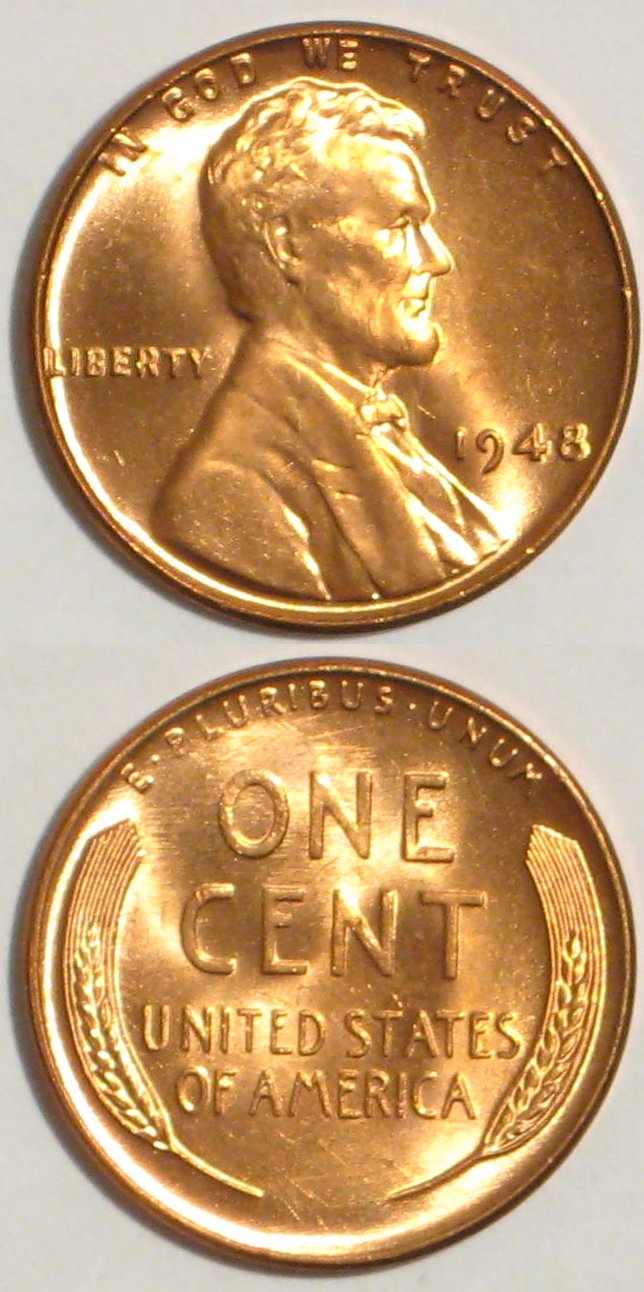
Disclaimer: Grading is very
subjective and there are disagreements amongst
even the professionals. Taking it one step
further, you can get an opinion of a grade of a
coin from a professional grader and two weeks
later you may get a different opinion on the
same exact coin. As such, the grades and
opinions offered on this page are just that, my
own personal opinions. They may be my personal
opinions, but they have been formulated by
reading grading guidelines by the ANA, PCGS,
Photgrade as well as looking at and many coins
that were professionally graded. Unless
specifically stated, the coins depicted on this
page have NOT been professionally graded. Those
that have been professionally graded will be
noted, however, a similarly like coin in your
possession does not mean it will grade the same.
This page is to used as a very general guideline
only.
I attempted to offer a
grading opinion the on coins on this web page by
lining up several hundred coins and then putting
them in order of wear and eye appeal. I then
attempted to assign a grade based on my
interpretation of the grading guidelines by
major grading firms. I am not a professional
grader and when grading your own coins you
should use your own judgment and/or grading
company. Most books and grading guidelines go
from BU to POOR. I thought I would go the other
way around to provide a slightly different
perspective. Most grading books will talk about
things disappearing while I show things as they
begin to appear. If you have any questions or
feel anything it totally off, please feel free
to contact me via my contact page. Thanks
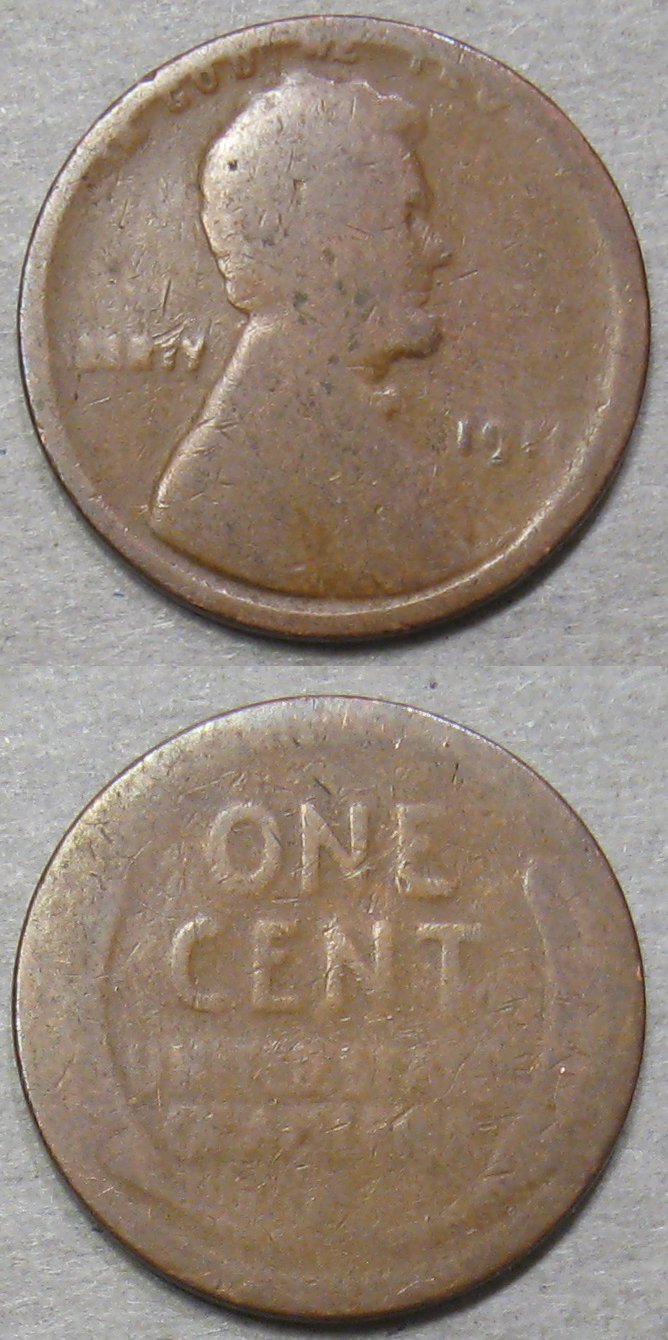
| Poor PO01 |
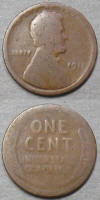 |
A coin which is barely recognizable as a
Lincoln Cent. If it has a date, it
is hardly visible and will be faint or
mushy. Lettering at the top, if
visible will be nearly all merged into
rim. There will be no detail in
Lincoln's hair and coat. Mint
mark, if any, will be mushy and hard to
determine what it is |
Slight
central detail is visible. Wheat
stalks will be merged into rim and will
appear as very flat and seem to be part
of the rim. Surface will be very
smooth from wear. Smaller
lettering will be nearly, if not, gone.
On this example, "E. Pluribus Unum" is
completely gone |
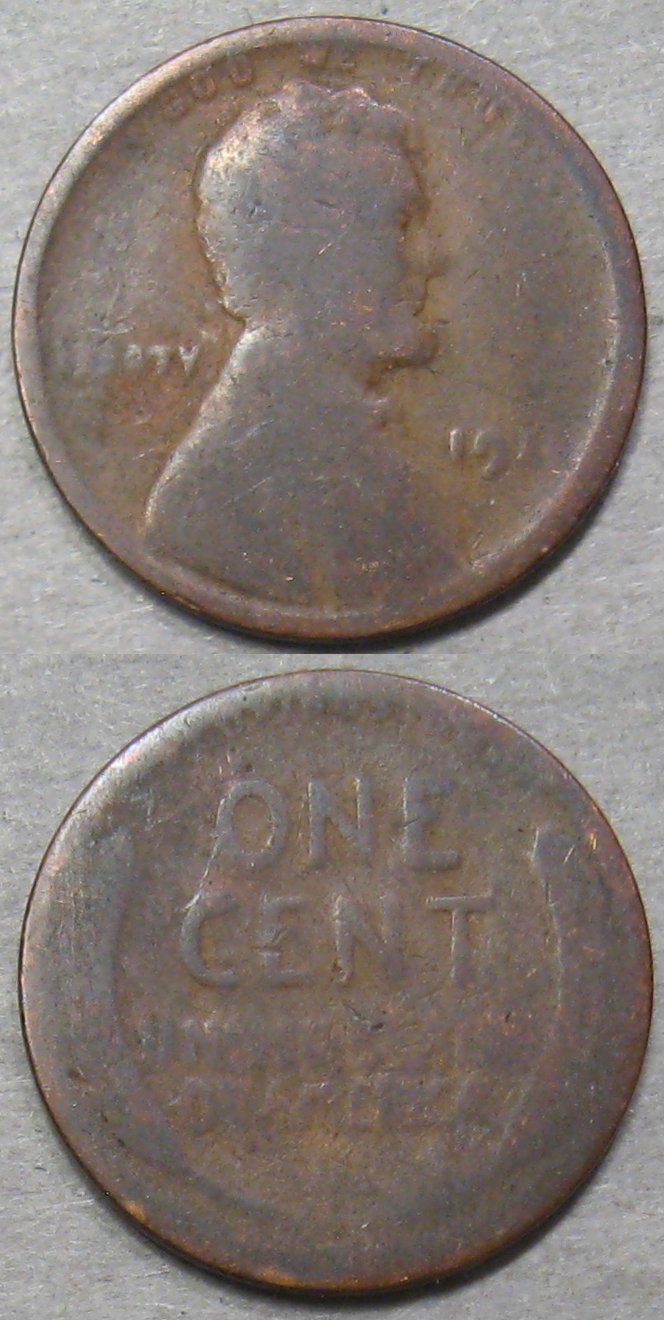
| Fair FR02 |
 |
A Fair coin is not much better than a
POOR coin. Lincoln is merely a shadow
with all detail worn away. In the FAIR
grade, the date will be worn away or
barely visible, just as the POOR. There
will be evidence of some lettering
around the rim with the lettering barely
visible and merged into the rim. As with
the POOR, there will be no detail in
Lincoln’s coat. |
Slight
central detail is visible. Wheat stalks
are still merged into the rim but not
nearly as flat as the POOR. Reverse
outer lettering will be slightly visible
but will be mostly worn away or have a
mushy appearance. |
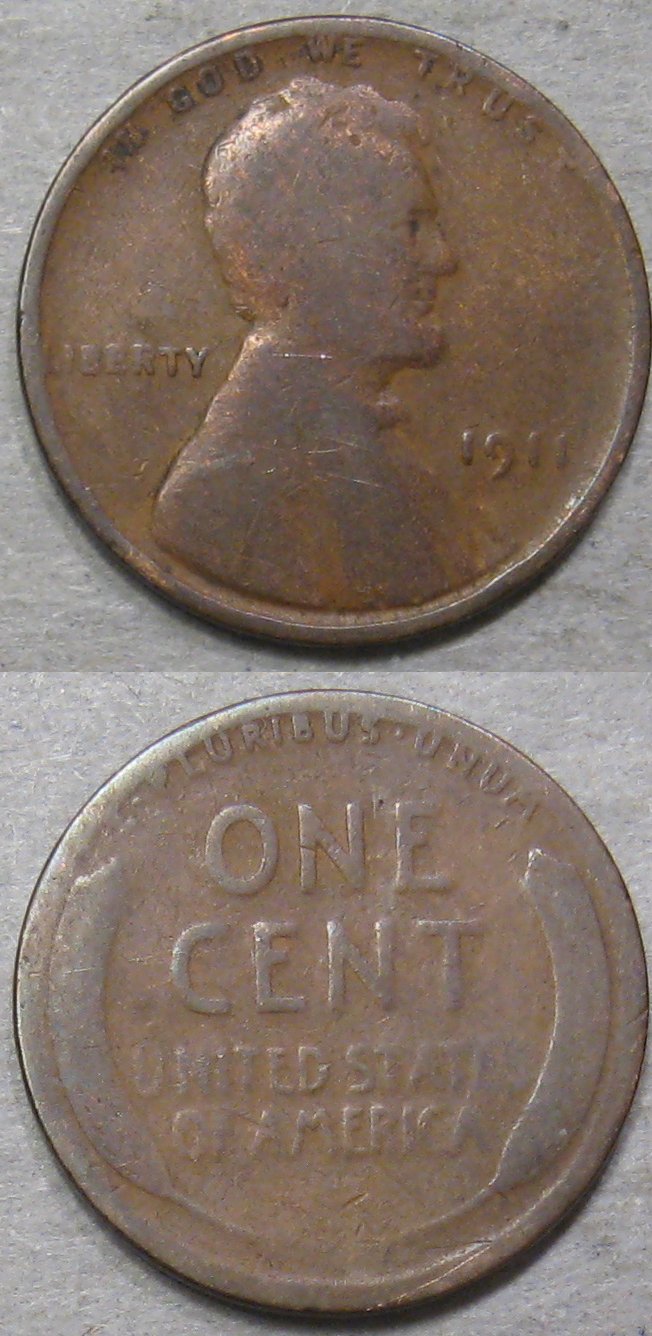
| AG03 About Good |
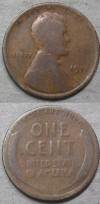 |
Rim will be worn down to letters. The
“L” in LIBERTY will be worn into the rim
or touching it. The date and mint mark
if any, will be weak, mushy, but
readable. The letters at the top are
also merge into the rim or touching it.
Lincoln is heavily worn with no detail
other than a few lines in the coat
beginning to appear. Bow tie will
appear mushy. The example shown
here is a high AG3 but fails to make G04
due to lettering touching the rim |
The wheat
stalks are merged to the rim but not
necessarily in all parts. While the
wheat stalks are discernable, there is
no detail to them. For example, there
are no wheat lines or grains in the
wheat stalk that show. Reverse lettering
is touching the rim. Middle lettering is
weak/worn but readable. Early branch
mint coins may have are typically weakly
struck and may be missing the “O” in
“One Cent” |
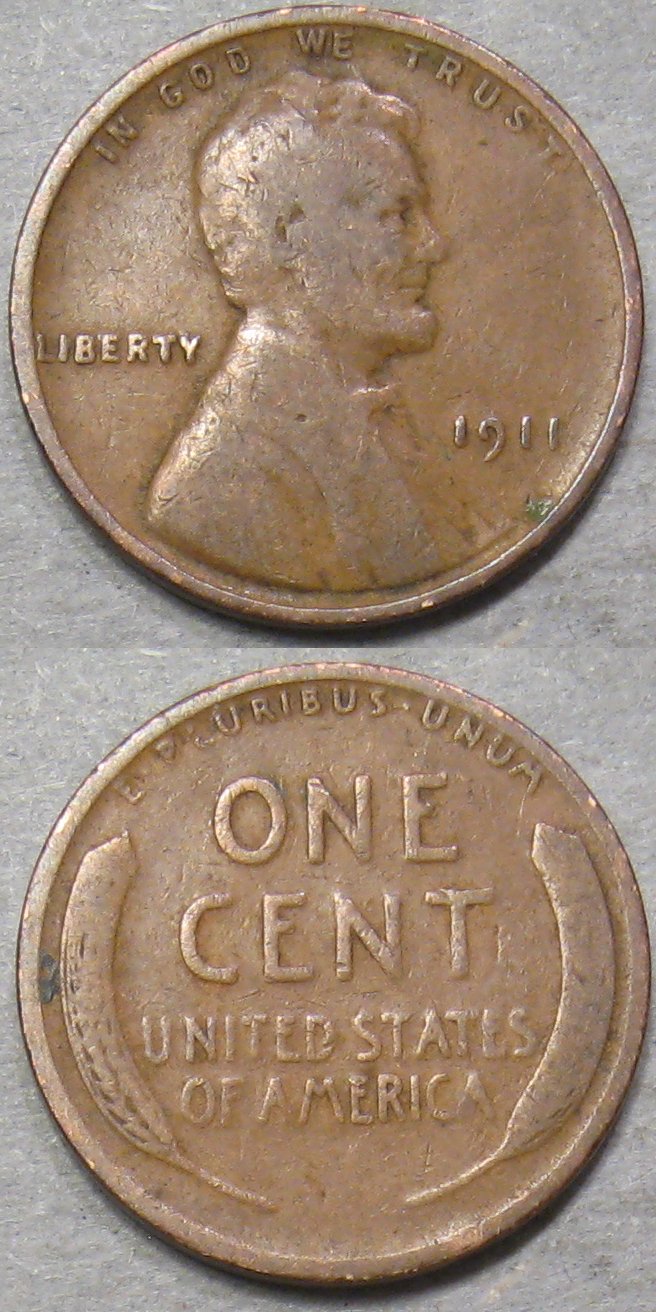
| G04 Good |
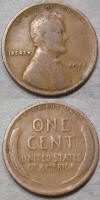 |
The coin is heavily worn but design will
be legible. All lettering and date will
be clear. In most examples, lettering
will not be touching the rim, but in
some cases may be slightly touching the
rim. Lincoln is still flat with the ear
hole just beginning to show and only the
top curls in his hair showing any
detail. There will be more coat detail
than AG03, such as shoulder lines
beginning to appear. Bow tie begins to
look like a bow tie but ends still blend
into coat. A slight ridge begins to
appear in the neck area to separate the
bare neck to the shirt. Line to show
shirt and coat not yet presence. Mint
Mark if any, will be readable, but may
be worn/mushy. |
The wheat
ears are fully separated from the rim.
All lettering at the top of the reverse
should be away from the rim as well
although a few letters will be close or
touching the rim ever so slightly. Wheat
lines will not likely be present but
grains in the lower stalk will be
present but flat. Wheat stem clearly
shows ending point. |
| G06 Good |
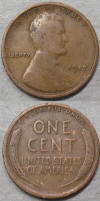 |
The coin is heavily worn but design will
be legible. All lettering and date will
be clear. Lettering will not be touching
the rim. Lincoln is still somewhat flat
with the ear hole showing but not likely
the outline. Separation between nose and
upper cheek below eye beginning to show.
Curls in the hair at the back and top of
the head begin to show. There will be
more coat detail than G04, such as the
horizontal lines in the coat just below
the bow tie. Bow tie is a tad sharper
than G04. In G04 a slight ridge begins
to appear in the neck area to separate
the bare neck to the shirt. In G06, it
begins to look more like a line |
The wheat
ears are fully separated from the rim.
All lettering at the top of the reverse
should be away from the rim as well. No
Lettering should be touching rim. Wheat
lines will begin to show though not in
all areas and/or not on both stalks.
Grains should be present on both sides.
Wheat stem clearly shows ending point. |
| VG08 Very Good |
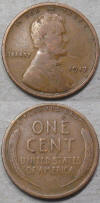 |
All lettering and date will be sharp and
clear. Lettering will not be touching
the rim. Lincoln is still somewhat flat
with the ear hole showing as well as the
beginning out the ear outline included
the ear lobe. Separation between nose
and upper cheek below eye beginning to
show and slightly more clear than G06.
Cheek and jaw are flat. More curls in
the hair at the back and top of the head
are present. There will be more coat
detail than G06. You may begin to see
separation between coat and shirt, but
ever so slight |
The wheat
ears are fully separated from the rim.
All lettering at the top of the reverse
should be away from the rim as well. No
Lettering should be touching rim. Wheat
lines will be about 50% present but not
separated. Some lines will be complete
and others will not be visible or not
complete, depending on strike and wear
pattern. Grains should be present on
both sides and show some detail but they
will be very worn. |
| VG10 Very Good |
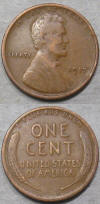 |
Lincoln is still somewhat flat with the
ear hole showing as well as the
beginning out the ear outline included
the ear lobe. Just to the left of the
horizontal mouth outline you can begin
to see an ever so small dimple that will
be the outline of a cheek. Hair shows
curls throughout head but still nearly
flat. A few more coat line details
beginning to be seen with all major
folds showing. Bow tie outline visible
but ride side may still be merged into
coat |
Wheat
lines will be more than 50% present but
not separated. Some lines will be
complete and others will not be visible
or not complete, depending on strike and
wear pattern. Grains should be present
on both sides and show about half of the
detail. |
| F12 Fine |
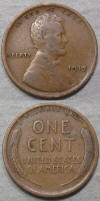 |
Lincoln is still somewhat flat with the
ear hole showing as well as the
beginning out the ear outline included
the ear lobe. In F12, although the
cheek/jaw is still flat, you should
begin seeing the outline of jaw
extending from ear lobe slight showing
separation between coat collar, neck and
jaw. Coat collar will begin showing
bottom outline but top of coat collar is
not yet presence except at very back of
neck. Most hair curls are present but
still worn and blend into face and ear. |
Wheat
lines will be two-thirds to nearly
complete but not separated depending on
strike and wear. Grains should be
present on both sides and show about 75%
of the detail. Some grains will still be
merged together but most will show
separation. |
| F15 Fine |
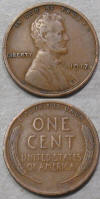 |
Lincoln is still somewhat flat with the
ear hole showing as well as the
beginning out the ear outline included
the ear lobe. In F12 and F15, although
the cheek/jaw is still flat, you should
begin seeing the outline of jaw
extending from ear lobe clearly showing
separation between coat collar, neck and
jaw. Coat collar should have complete
bottom outline but top of coat collar
will blend in with shirt at high point
(middle of design) but may reappear as
top of coat extends down to bow tie.
Most hair curls are present but still
worn and blend into face and ear. |
Wheat
lines will be 90% to nearly complete but
not separated depending on strike and
wear. Grains should be present on both
sides and show about 75% of the detail.
Some grains will still be merged
together but most will show separation |
| VF20 Very Fine |
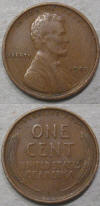 |
Ear is somewhat flat but now is fully
discernable. Most hair, although showing
signs of flatness are present expect
above ear. Definite separation from ear
lobe and jaw line with jaw line distinct
to chin. Temple indentation clear and
also distinction between cheek and jaw,
although minor. Top of coat distinct
from shirt. Top coat line clearly
defined down to bow tie and lapel. Shirt
line mostly visible to bow tie. Edge of
bow tie still may merge into coat/lapel. |
Wheat
lines must all be present expect on weak
strike coins. Wheat lines may not be
totally separated. Grains should be
present on both sides and but may still
show some wear. NOTE: not all coins wear
the same. Due to strike, die condition
and circulation wear, some details in a
lower grade may not be fully present in
a higher grade. |
| VF25 Very Fine |
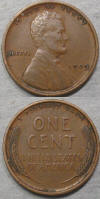 |
Ear is more shapely and hair curls
extend to ear. Most hair, although
showing signs of flatness are present
expect above ear. Definite separation
from ear lobe and jaw line with jaw line
distinct to chin. Temple indentation
clear and also distinction between cheek
and jaw, although minor. Top of coat
distinct from shirt. Top coat line
clearly defined down to bow tie and
lapel. Shirt line mostly visible to bow
tie. Edge of bow tie still may merge
into coat/lapel. Not much difference
from VF20 expect a tad more sharpness |
Wheat
lines must all be present expect on weak
strike coins. Wheat lines should be
totally separated. Grains should be
present on both sides and be complete
but may still show some wear. NOTE: not
all coins wear the same. Due to strike,
die condition and circulation wear, some
details in a lower grade may not be
fully present in a higher grade. |
| VF30 Very Fine |
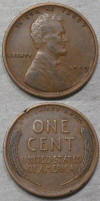 |
Ear is more shapely and hair curls
extend to ear. Most hair, although
showing signs of flatness are present
expect above ear. Definite separation
from ear lobe and jaw line with jaw line
distinct to chin. Temple indentation
more clear than VF25 and also
distinction between cheek and jaw,
although minor. Top of coat distinct
from shirt. Top coat line clearly
defined down to bow tie and lapel. Shirt
line now visible to bow tie. Edge of bow
tie still may merge into coat/lapel. Not
much difference from VF25 except a tad
more sharpness. All folds/creases in
coat are present |
Wheat
lines must all be present expect on weak
strike coins. Wheat lines should be
totally separated. Grains should be
present on both sides and be complete
but may still show some wear. NOTE: The
example shown has a detracting nick/cut
at 11:00 on the reverse which may
downgrade it. This coin, as all coins
are for illustration purposes only. |
| VF35 Very Fine |
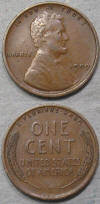 |
Ear is more shapely and hair curls
extend to ear. Hair is clearly defined
and separated from ear and neck. More
detail above chin and to left of mouth. |
Wheat
lines must all be present expect on weak
strike coins. Wheat lines should be
totally separated. Grains should be
present on both sides and be complete
but may still show some wear. |
| XF40 Extra Fine |
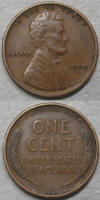 |
There will be slight flattening on cheek
and jaw bone. Although hair is all
present, there is a touch of smoothness
on the curl tips. Eye lid, eye brow and
eye separation very clear and distinct.
You can begin to see knot in bow tie vs.
other parts of bow tie. |
Wheat
lines must all be present expect on weak
strike coins and totally separated.
Grains should be present on both sides
and be complete but may still show some
wear. |
| XF45 Extra Fine |
|
Flatness is seen on face, hair, coat and
beard, but all details are present.
Flatness is confined to very high places
on coin. In some cases, original mint
luster may be present |
What lines
are clearly defined and separated. Light
wear on tips of wheat lines. |
| AU50 About Almost Unc |
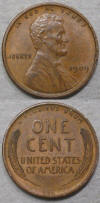 |
All details sharp. Only the slightest
wear on high points on coin such as
shoulder, cheek, jaw, eye brow and
forehead. Bow tie is clearly defined and
does not merge into coat. Part of bow
tie extends over coat and appears as a
triangle. This is not seen on lower
grades. |
Wear
evident on tips of wheat stalks and ever
so slightly on grain. |
| AU53 |
|
|
|
| AU55 |
|
|
|
| AU58 |
|
|
|
| MS60 |
|
|
|
| MS61 |
|
|
|
| MS62 |
|
|
|
| MS63 |
|
|
|
| MS64 |
|
|
|
| MS65 |
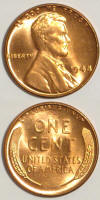 |
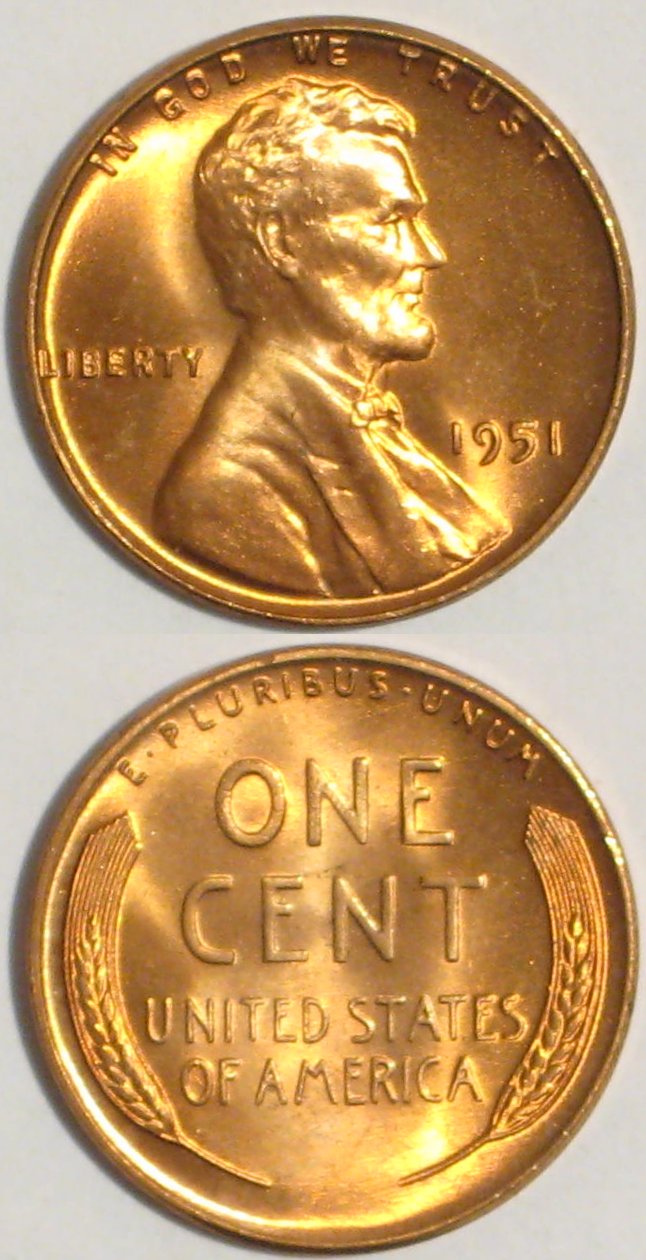
A nice example of a RED UNC Lincoln.
There is a scratch under the chin and
another light scratch under the word
Liberty. There is also some abrasion on
the lower shoulder. This coin
subsequently was graded MS 65 RED by
PCGS. |
Quite a
bit of light scratching can be seen
between the wheat stems and around the
top above the word ONE. Additionally,
there is a dent in the “C” and “N” in
the word CENT |
| MS66 |
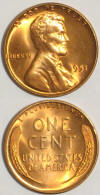 |
This coin has no detracting marks. You
can see some light scratching on the
shoulder at about 7:00 which was likely
caused by friction in the roll it came
from, but it is not in the prime focal
area. There are small specs here and
there, but again, to scratches. This
coin subsequently was graded MS66 RED by
PCGS. It is likely this coin did not
grade higher because of the strike not
being as bold as it could be. For
example, there is no detail at all in
Lincoln’s beard. Also, it is hard to
discern the lines of the shirt collar
and the coat collar. On bolder strikes,
this is clearly visible |
The
reverse of this coin is also in great
shape but not as good as the front.
There is an indentation in the left side
of the “O” on ONE. There are also a few
smudges/dark spots above the “E” and “N”
in cent. Additionally, there is a slight
nick/mark in the rim on the right had
side just to the left of the right wheat
stalk/wheat lines. |
| |
|
|
|